News
Jumia de-risks profitability path with $50M IFC deal, CEO says (Investing.com)
August 14, 2026Company News
Published 08/14/2026
In this article:
Investing.com -- Jumia Technologies AG (NYSE:JMIA) shares traded flat on the week amid second-quarter earnings that demonstrated expanding unit economics and an opportunistic $50 million capital raise, even as macroeconomic headwinds forced management to trim its full-year volume targets.
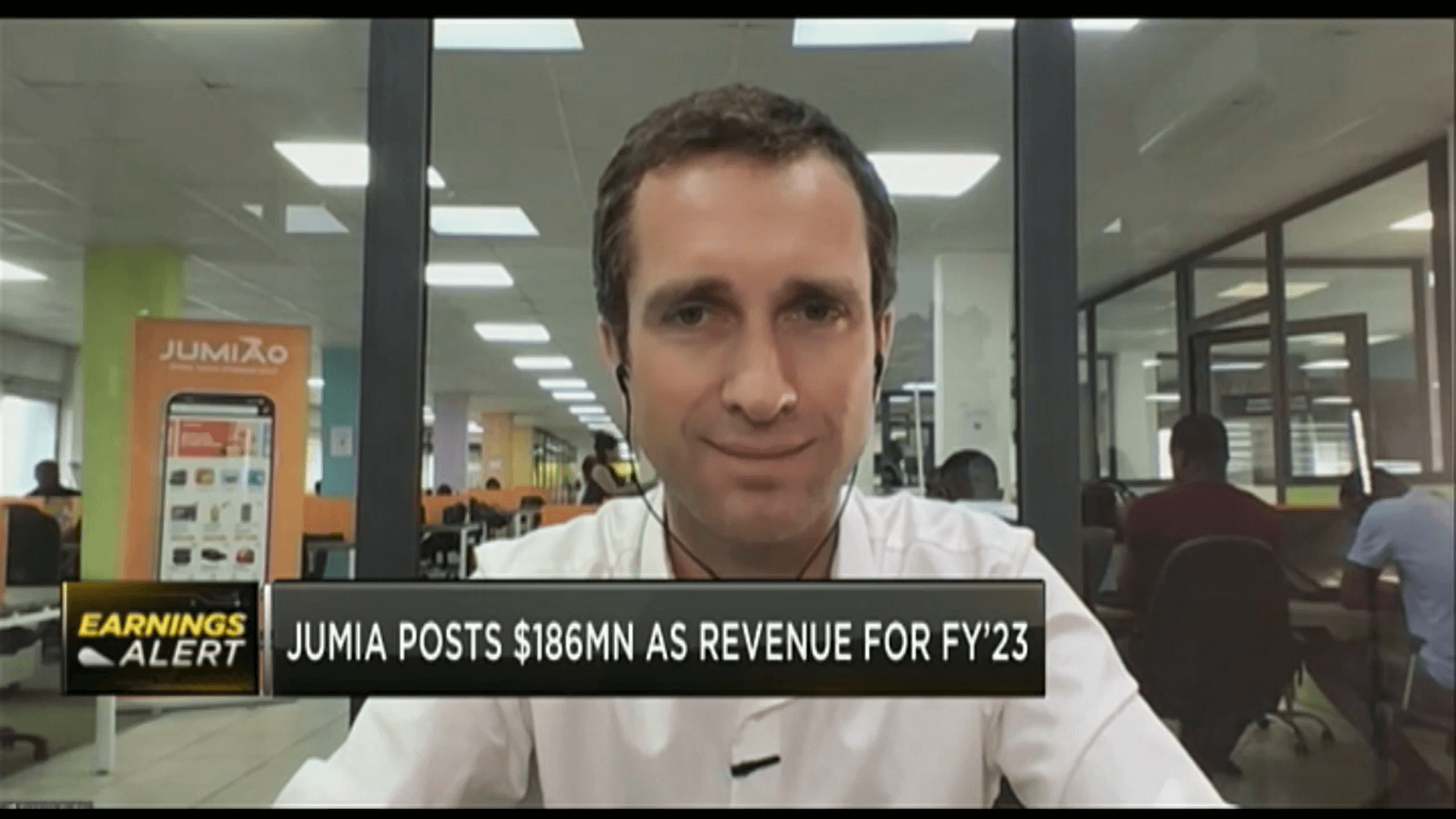
The pan-African e-commerce operator reported second-quarter revenue of $52.0 million, up 14% year-over-year, or 15% in constant currency, supported by higher marketplace monetization and rising active usage. Crucially, the company narrowed its Adjusted EBITDA loss by 36% to $8.7 million, beating consensus expectations as gross margins expanded to 14.2% of Gross Merchandise Value (GMV). Analyze the quarter yourself by upgrading to InvestingPro - Alongside the print, Jumia announced a $50 million private placement at $5.52 per share, anchored by a $25 million investment from the International Finance Corporation (IFC), the private-sector lending arm of the World Bank, alongside existing shareholder Axian Telecom and new, yet-to-be-announced investors. Speaking to Investing.com in an exclusive interview, Chief Executive Officer Francis Dufay clarified that the equity injection was driven by strategic institutional positioning rather than balance-sheet distress.
"We’ve been very clear about the fact that we can reach breakeven without additional cash," Dufay told Investing.com. "What triggered this raise really is the opportunity to get the IFC on board. They bring us amazing credibility towards emerging market investors, local governments, and regulators."
The company ended June with $48.3 million in cash after burning $14.3 million during the quarter. Macro shocks led Jumia to widen its full-year GMV growth guidance to 20%–30% year-over-year, down from 27%–32% previously, primarily due to global memory chip and CPU shortages hitting high-ticket categories like smartphones and computing, as well as effects from the ongoing conflict in Iran.
Despite top-line choppiness, management reconfirmed its target to achieve Adjusted EBITDA breakeven and positive cash flow by the fourth quarter of 2026, while projecting full-year profitability in 2027. Dufay emphasized that structural cost discipline and rising take rates allow the company to protect its bottom line even as high-ticket hardware sales soften.
"We chose to open up the range on GMV because there’s a lot of elements outside of our control on the supply side for electronics," Dufay explained. "We are able to maintain our guidance for the bottom line because we’ve absorbed the shocks across our P&L. Our gross profit ratio increased to 14.2%, and we keep getting savings in absolute terms on G&A and tech costs while scaling volumes."
When asked how long component shortages could drag on hardware growth, Dufay noted that Jumia is structuring its product mix to withstand extended supply freezes across global tech supply chains. "Whoever knows can become a billionaire in the stock market," Dufay quipped. "We’re making sure our business can withstand that shock for quarters or a year... it does not prevent us from reaching profitability, which to me is the most important milestone."
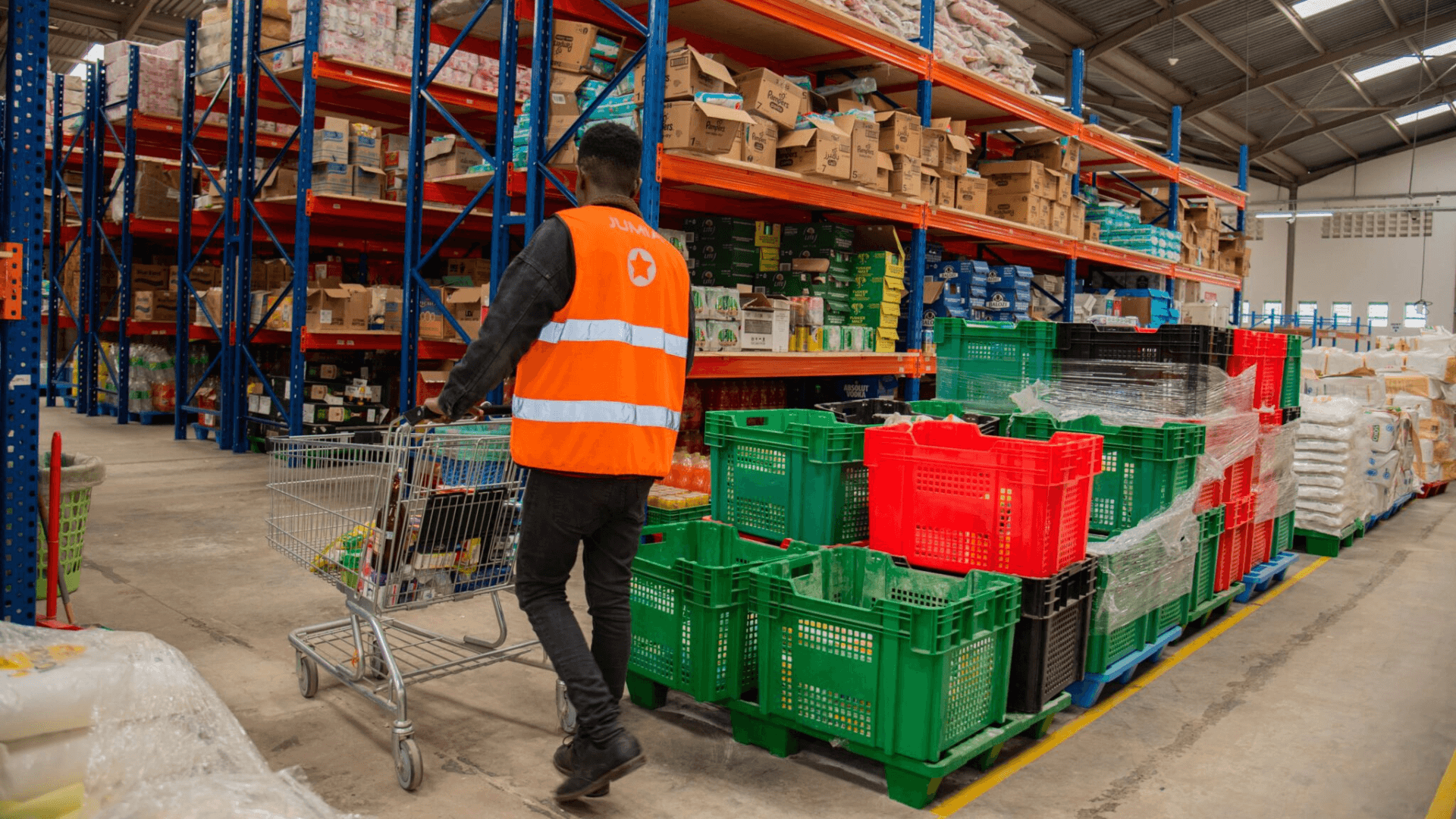
Operational execution also faced headwinds from Middle East shipping bottlenecks and higher fuel surcharges passed along by third-party logistics partners. Jumia counteracted these cost pressures by expanding its fulfillment network into secondary cities, driving pickup station usage to 75% of total package shipments.
"Up-country orders are not necessarily more expensive to serve than main city orders because we have a very efficient model: only pickup stations, no door-to-door delivery, and high utilization of trucks," Dufay said regarding fulfillment expenses, which fell 7% year-over-year to $2.04 per order. When asked if pickup station adoption was reaching a ceiling, Dufay responded, "No, it can still go higher. In a country like Nigeria, we still have dozens of relatively meaningful cities that we’re not covering... that ratio is bound to keep on increasing over time."
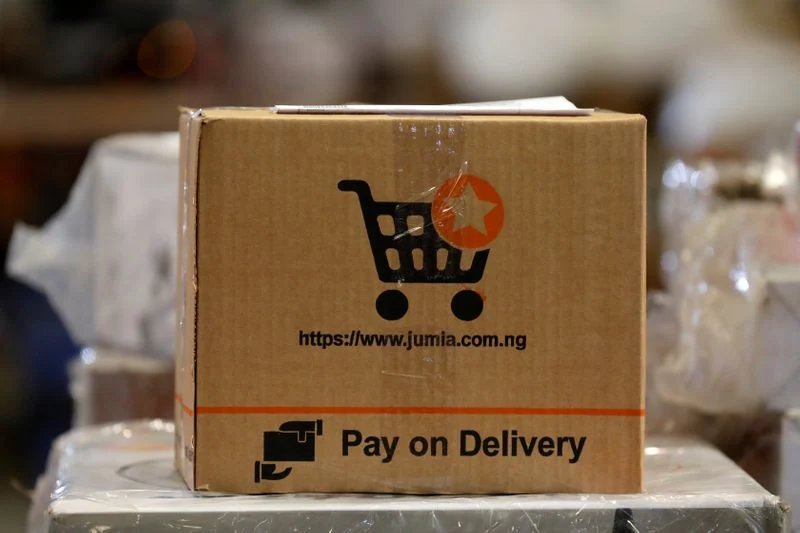
Emerging cross-border competitors like Temu have so far struggled to erode Jumia’s regional advantage, according to the chief executive. "Our markets are quite unique... going through customs in Nigeria is not the same as in Germany or the U.S.," Dufay noted. "Our customers love to pay on delivery and see the product before giving cash... which international platforms cannot enable."
Regional demand diverged across markets, with Nigeria delivering 36% GMV growth as direct sea-freight channels from China and Turkey substituted missing electronics with affordable fashion and home goods. By contrast, Ivory Coast experienced top-line friction due to a 60% decline in cocoa farmgate prices, though Dufay dismissed concerns of any structural exit or pullback.
"It’s definitely not a distressed operation," Dufay said of the Ivory Coast market. "The usage engines and unit economics have been significantly improved year-over-year... we’re definitely not looking at drastic cost-cutting measures in a country that is actually working and delivering very strong economics."
Internal efficiencies accelerated as Jumia reduced its total headcount by 11% during the quarter to 1,770 employees, beating its internal downsizing schedule. The company is simultaneously deploying artificial intelligence tools across catalog quality checks, vendor onboarding, and customer support.
"All of our content review was manual a few months back, we had dozens of people looking at new products created by vendors," Dufay observed. "Now, with proper AI agents set up, we’re able to QC the whole flow with significantly fewer people just managing exceptions."
Looking ahead to the second half of 2026, Jumia plans to deploy a portion of its newly raised $50 million into pre-funding working capital to secure vendor supply ahead of peak fourth-quarter shopping events, while setting aside capital for targeted warehouse automation. Dufay noted that the new funds serve to "strengthen the balance sheet and de-risk our path to profitability."
Street analysts maintained a positive outlook following the print, focusing on Jumia’s path to self-funding. Benchmark analyst Fawne Jiang reaffirmed a Buy rating and an $18 price target, stating that "marketplace fundamentals, monetization, and earnings quality continue to improve," while Craig-Hallum analyst Ryan Sigdahl maintained a Buy rating on the stock, highlighting management’s ability to "control the controllables in a volatile environment."
Dufay reiterated that elevated inflation across primary markets continues to reinforce Jumia’s core value proposition for budget-conscious consumers. "In times of inflation, consumers remain consumers, it’s just that they have less money and will look for the best deals," Dufay said. "No matter what, we’re going for amazing value for money, and people value it."
Author Luke Juricic
Read the original article on Investing.com
About Jumia
Jumia is a leading e-commerce platform in Africa. Our marketplace is supported by our proprietary logistics business, Jumia Logistics. Jumia Logistics enables the seamless delivery of millions of packages.
Follow us on, Linkedin Jumia Group and X @Jumia_Group
For more information about Jumia:
Abdesslam Benzitouni
[email protected]